This autumn appears to be especially good for fungi specimens in the Park. There are about 4000 species of fungus in Britain and many look similar to one another so it can be hard to correctly identify them even with apps and written guides, but here goes…
First off is the more distinctive Shaggy Mane (Coprinus comatus).

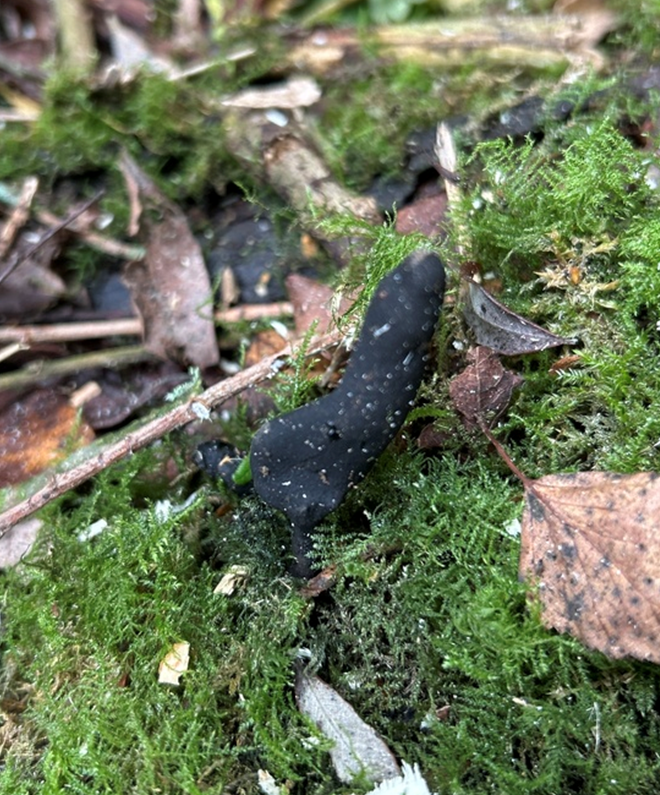
Another characteristic shape is the Dead Man’s Fingers (Xylaria polymotpha).
Many fungi like to grow on timber, whether that be living trees or decaying wood. A good example of the former site is that preferred by the Giant Polypore (Meripilus giganteus) which as the name suggests can grow quite large.

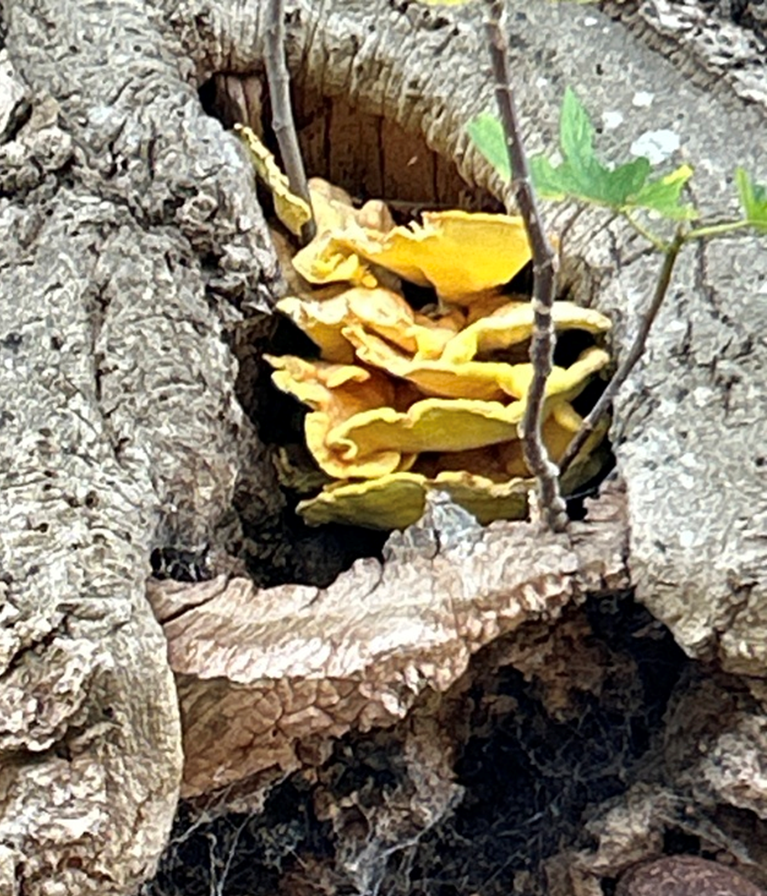
The curiously named Chicken in the Woods (Latiporus sulphureus) appears to like rotting timber.
The Grey Spotted Amanita (Amanita excelsa var. spissa) has the appearance of an archetypal toadstool and beware it is poisonous.

And finally, something which is not a fugus at all. Below are picture galls on an oak tree created by the Cola Nut Gall Wasp (Andricus lignicola). The females lay eggs in the buds of such trees which respond by growing tissue around the larva, providing it with a protective home and food source.


 Friends of Astley Park